NREL History
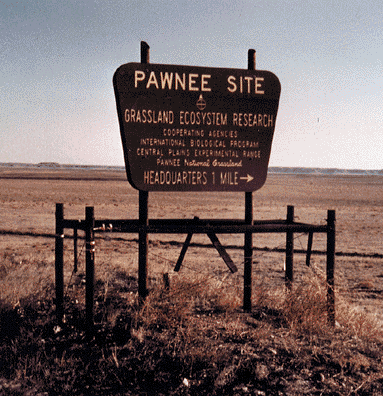
The Natural Resource Ecology Laboratory has a long history as an international center for ecosystem science research and education.
The modern ecosystem concept has roots in the late 19th and early 20th centuries, in the work of naturalists and biologists including Karl Möbius, Frederic Clements, and Charles Elton, and it was first defined explicitly by Arthur Tansley in 1935. It was later refined by G. Evelyn Hutchinson and by Howard and Eugene Odum. By the mid-20th century, momentum from the International Geophysical Year (1957 to 1958) gave rise to several international research initiatives, among them the U.S. International Biological Program.
The US International Biological Program (IBP) (1968-1974) helped to propel ecosystem ecology into the mainstream of ecological science. In anticipation of funding by NSF for US IBP grassland research, the Natural Resource Ecology Laboratory (NREL) at Colorado State University (CSU) was established in 1967 under the leadership of George M. Van Dyne. Since then, NREL scientists contributed to the discipline and use of ecosystem science resulting in the integration and understanding of multiple disciplines. They established ecosystem science as an approach that is commonly used by scientists, managers and policy makers around the world.
Founding and the International Biological Program, 1967 to 1974
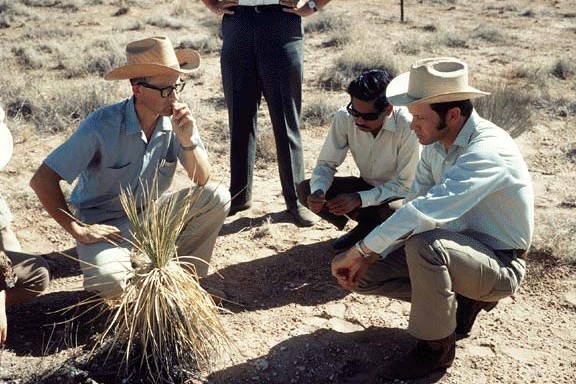
George Van Dyne, the first NREL director (1967-1973) established a tradition of rigorous research based on the then emerging field of systems ecology. Van Dyne brought together researchers with diverse knowledge to work in interdisciplinary teams in order to address the ecosystem-level problems facing managers of natural resources. Ecologists traditionally studied individual organisms and their interactions with each other and with their environment. Early studies of simple ecosystems at NREL instead focused on the flux of energy and materials among components of systems rather than on the components themselves. This approach to ecosystem research was adopted by many centers around the world during the International Biological Program.
James H. Gibson, 1973 to 1984
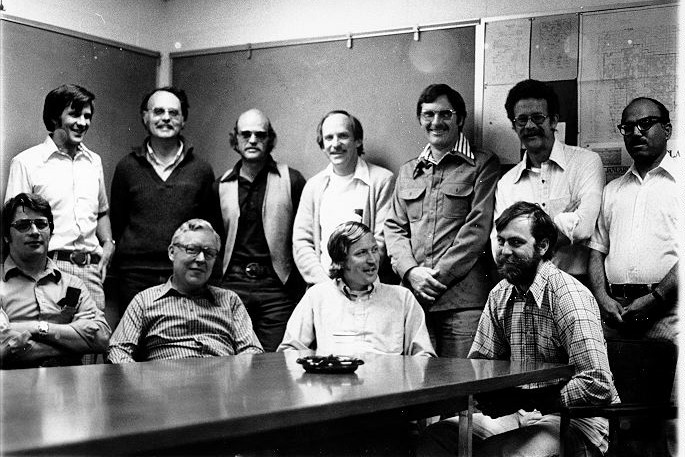
James H. Gibson, director from 1973-1984, came to NREL as an atmospheric chemist. He managed the transition of the NREL from an NSF, IBP funded organization to a successful, investigator-initiated research organization. Gibson was instrumental in obtaining substantial funding for construction of the Natural and Environmental Sciences building where NREL is housed. Gibson also helped develop and lead the United States National Atmospheric Deposition Program from 1978-1982, and established the ongoing UVB Monitoring Program. During Gibson’s directorship the Grassland Ecosystem Model (ELM), a signature achievement in ecosystem science, was completed and published.
James H. Gibson came to NREL as an atmospheric chemist and served as director from 1973 to 1984. He guided the laboratory through its transition from an NSF and IBP funded program to a successful investigator-initiated research organization. Gibson secured substantial funding to construct the Natural and Environmental Sciences Building that houses NREL, helped develop and lead the U.S. National Atmospheric Deposition Program from 1978 to 1982, and established the UV-B monitoring work that NREL still operates. The Grassland Ecosystem Model (ELM), a signature achievement in ecosystem science, was completed and published during his directorship.
Robert G. Woodmansee, 1984 to 1992
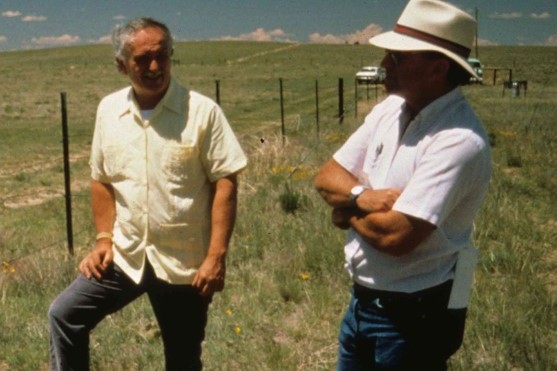
Robert G. Woodmansee (1984-1992), was a CSU graduate and one of the post-doctoral fellows that developed the Grassland Ecosystem Model, ELM. He pioneered concepts of ecological scaling into ecosystem analysis and integrated landscape ecology and regional analysis into ecosystem research at NREL. Before his tenure as Director, Woodmansee was integrally involved in the development of the National Science Foundation’s Long-Term Ecological Research (LTER) network and served as the Director of Ecosystem Studies at the National Science Foundation where he helped pave the way for global change research. Woodmansee emphasized that humans are a part of ecosystems and need to be considered in the context of ecosystem research.
Diana H. Wall, 1992 to 2006
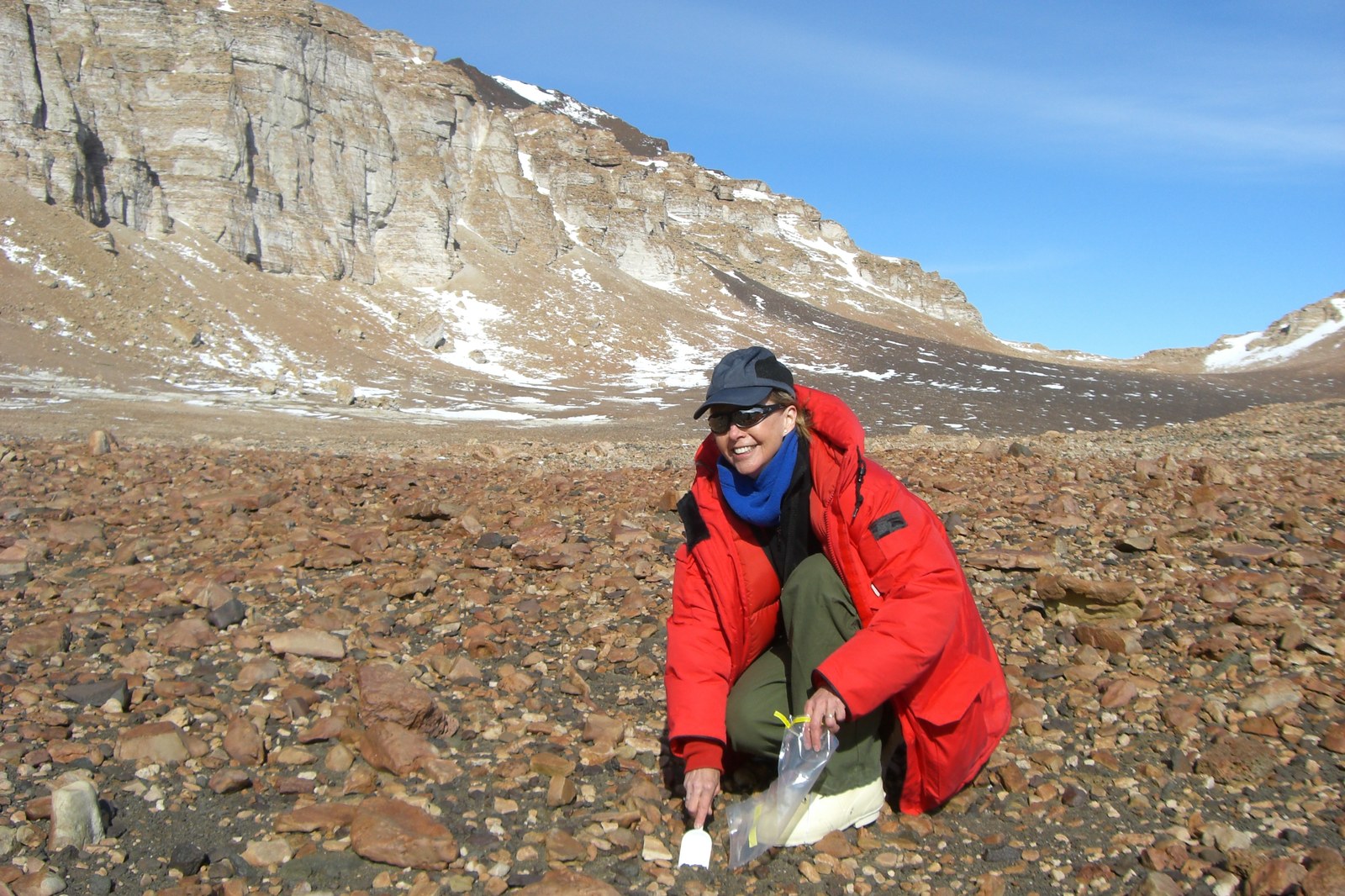
Diana H. Wall directed NREL from 1992 to 2006, and her vision for the laboratory remains a model for the roles an ecosystem research center can play. She emphasized making ecological knowledge accessible to citizens and to decision-makers at every level of government, arguing that sound ecological knowledge helps communities manage natural resources, protect human health, and keep small problems from becoming large and expensive ones. Her own research on soil biodiversity and its links to climate change reached as far as the Dry Valleys of Antarctica. After leaving the directorship, Wall became the founding director of CSU’s School of Global Environmental Sustainability (SOGES) and received the Tyler Prize for Environmental Achievement, the premier award in environmental science and environmental health.
John C. Moore, 2006 to 2024
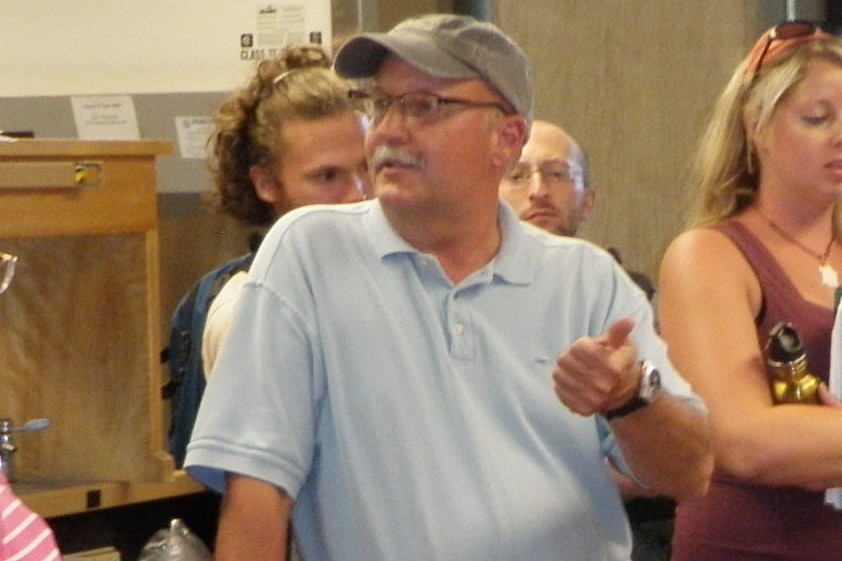
John C. Moore, a CSU graduate, directed NREL from 2006 to 2024. His work centers on soil ecology, the ecology of food webs, and environmental science literacy, the capacity of citizens to take part in evidence-based decisions about environmental issues. During his directorship, several NREL scientists received Nobel Peace Prize recognition for their work on the Intergovernmental Panel on Climate Change. Moore held that addressing environmental challenges requires science that is available and accessible to all citizens, and he created numerous programs linking NREL scientists and graduate students with K-12 schools and broadening participation in science. He also led the creation of the Department of Ecosystem Science and Sustainability in the Warner College of Natural Resources.
NREL Today
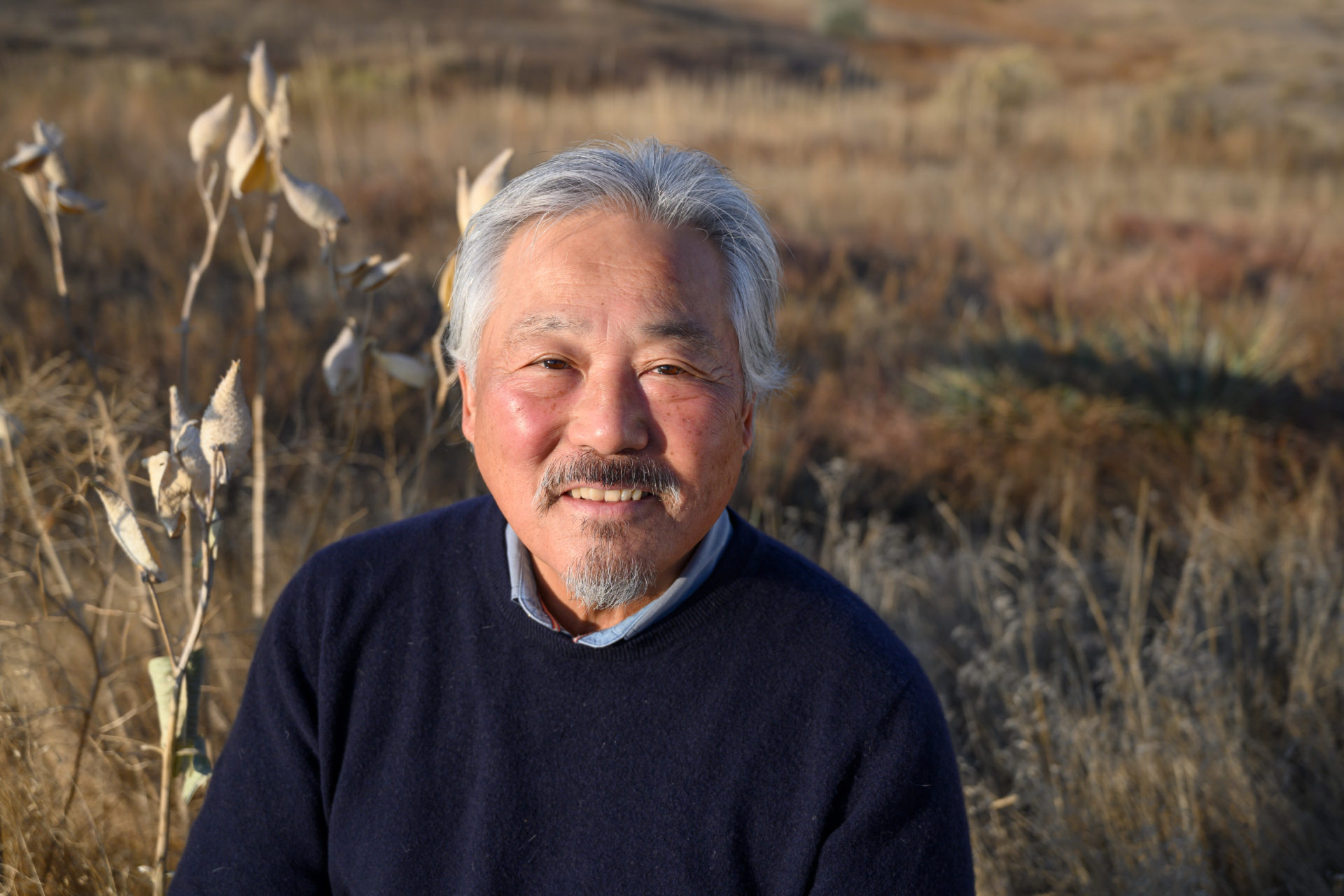
Dr. Dennis Ojima, a longtime NREL ecosystem scientist, serves as Interim Director. Over more than five decades and its successive directors, NREL’s research has grown to span every continent, with topics ranging from the soil microbial dynamics of bison grazing to global studies of climate change and the terrestrial carbon cycle. Across that range of sites, scales, and questions, the ecosystem approach has remained the common thread. Since about 1980, NREL scientists have led the way in studying humans as components of the ecosystems under study, building strong links between the natural and social sciences.
NREL scientists have been pioneers in linking ecosystem theory, experimentation, field measurement, and computer modeling, using systems analysis and modeling to bring ecosystem complexity to a manageable scale. CENTURY, one of the first and most widely used ecosystem models in the world, was developed at NREL. This work supports integrated assessments that connect ecosystem science to socioeconomic concerns, forming a broader basis for environmental management and policy, and it extends to the global scale in understanding how changes to the chemistry of the atmosphere can be measured and addressed.
Clear understanding of the complex interactions that characterize whole ecosystems is what allows us to devise management strategies for the conservation and use of natural resources that assure the long-term viability of the biosphere. We truly believe “the whole is greater than the sum of the parts.”
Over six decades and five Directors, the scope of research at NREL has expanded to include projects on every continent and topics ranging from the soil microbial dynamics associated with the grazing of bison to global-scale studies of climate change and its impact on the terrestrial carbon cycle. Despite the diversity of study sites, scales, and topics the ecosystems approach to research questions runs as a common thread throughout our work. Since about 1980, NREL scientists have been leaders in incorporating humans as components of the ecosystems under study; developing strong linkages between the natural and social sciences and aiding in the understanding of the numerous interactions between human and natural systems.
NREL scientists have been pioneers in linking ecosystem theory, experimentation, field measurements and computer modeling. In particular, NREL has emphasized the use of systems analysis and computer modeling to reduce ecosystem complexity to a manageable level. CENTURY, one of the first and most widely used ecosystem models in the world, was developed at NREL.
NREL’s research efforts are leading to integrated assessments linking ecosystem studies to socioeconomic concerns to form an expanded basis for environmental management and policy development. NREL science is also at work at the global level to understand the consequences of modifying the chemistry of the atmosphere and mitigation strategies to overcome potential problems.
“Clear understanding of the complex interactions that characterize whole ecosystems is required if we are to devise management strategies for the conservation and use of natural resources that will assure the long-term viability of the biosphere. We truly believe “the whole is greater than the sum of the parts”
Clear understanding of the complex interactions that characterize whole ecosystems is required if we are to devise management strategies for the conservation and use of natural resources that will assure the long-term viability of the biosphere. We truly believe “the whole is greater than the sum of the parts”